Be yourself; Everyone else is already taken.
— Oscar Wilde.
This is the first post on my new blog. I’m just getting this new blog going, so stay tuned for more. Subscribe below to get notified when I post new updates.
Be yourself; Everyone else is already taken.
— Oscar Wilde.
This is the first post on my new blog. I’m just getting this new blog going, so stay tuned for more. Subscribe below to get notified when I post new updates.
ABEGAIL BONGO PILLO
GAS N2
THE NATURE
About my page
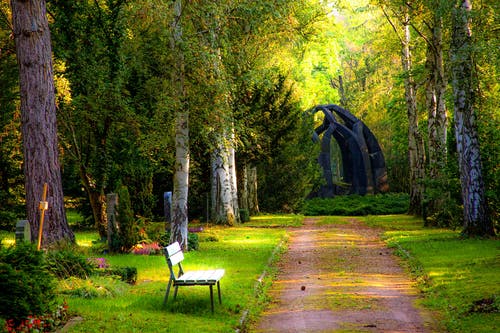
Nature, in the broadest sense, is the natural, physical, or material world or universe. “Nature” can refer to the phenomena of the physical world, and also to life in general. The study of nature is a large, if not the only, part of science. Although humans are part of nature, human activity is often understood as a separate category from other natural phenomena.
Nature, in the broadest sense, is equivalent to the natural world, physical world, or material world. “Nature” refers to the phenomena of the physical world, and also to life in general. It ranges in scale from the subatomic to the cosmic.
The term “nature” may refer to living plants and animals, geological processes, weather, and physics, such as matter and energy. The term is often refers to the “natural environment” or wilderness—wild animals, rocks, forest, beaches, and in general areas that have not been substantially altered by humans, or which persist despite human intervention. For, example, manufactured objects and human interaction are generally not considered part of nature, unless qualified as, for example, “human nature” or “the whole of nature“.This more traditional concept of “nature” implies a distinction between natural and artificial elements of the Earth, with the artificial as that which has been brought into being by a human consciousness or a human mind.
Contact Page
E-Mail Address:
11gas2.pillo@gmail.com
Who are you?
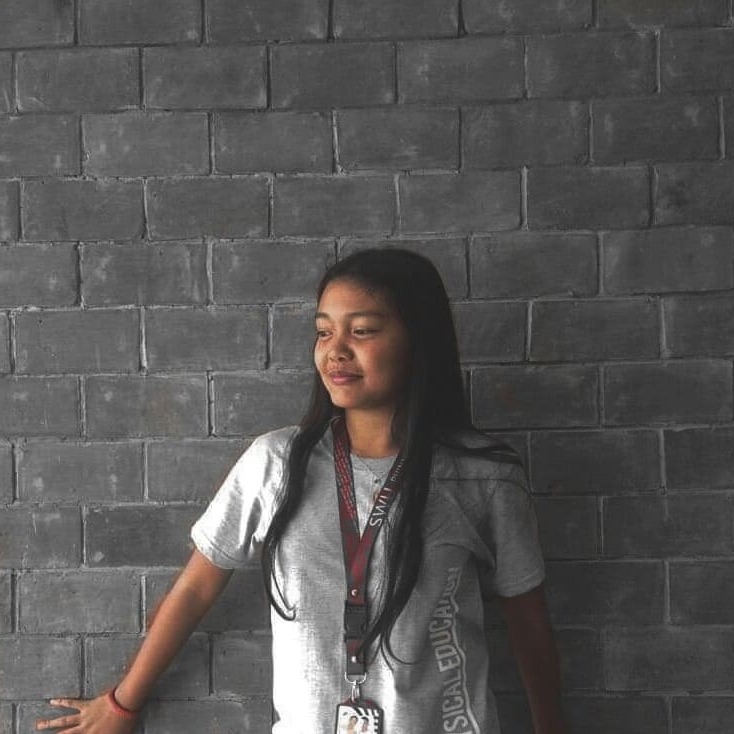
I’m Abegail Pillo 16 years old,I live in Pagsabungan Mandaue City, I’m currently a senior highschool student in SouthWestern University Phinma, my hobbies in life is playing volleyball, badminton, and playing a guitar that’s all thank you.
What is the content of your site?
The content of my site is all about in nature, nature can make your day beautiful and relaxing, it can make your day peaceful and calming by listening to the wind that blows in your body.
What are the objectives of your site? or What is the purpose of your site?
The purpose of my site is to get the attentions of the people that love nature and to build a more peaceful and relaxing life in our world.
AMAZON RAINFOREST
We must stop the destruction of the world’s last remaining rainforests, like the Amazon and Indonesia’s Leuser Ecosystem. These rainforests remove massive amounts of carbon from the atmosphere and hold some of the highest concentrations of biodiversity in the world.
Major financiers and agribusinesses are driving the destruction of critically important rainforests. Millions of acres of rainforest continue to be set on fire and bulldozed to produce the cheap Conflict Palm Oil, soy and beef.
Help protect the rainforests of the Amazon and the Leuser Ecosystem.
Graphical Representation
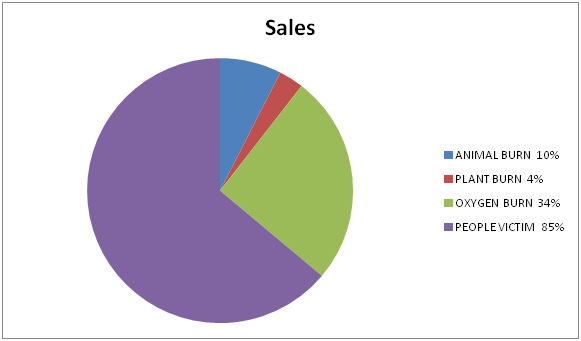
An unprecedented number of fires have raged throughout Brazil in 2019, intensifying in August. There have been more than 80,000 fires so far this year, the most ever recorded by the country’s National Institute for Space Research (INPE). It’s a nearly 80 percent jump compared to the number of fires the country experienced over the same time period in 2018. More than half of those fires are taking place in the Amazon.
AMAZON RAINFOREST BEFORE AND AFTER
MANAUS, Brazil — This year’s unusually severe fires in the Amazon have not only attracted widespread international attention, but also illuminated the effects of mounting deforestation in the region, from evaporating rains to rising carbon dioxide emissions. Yet one effect of forest loss in the Amazon has largely been ignored: how it influences the river system and the fish living in it.
There are few places in the world where aquatic and arboreal life are brought together as closely as they are in the Amazon. While the rainforest is home to the world’s largest river (by volume of water) and 1,700 tributaries, about one-sixth of the basin is also made up of largely forest-covered wetlands that flood for long periods each year and support the commercially most important fish in the region.
ANIMAL HABITAT AND THEIR BEHAVIOR
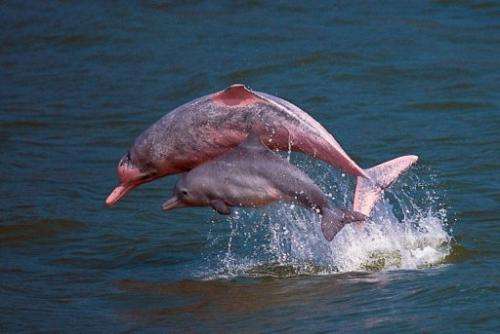
Also known as the Amazon River Dolphin, the Pink River Dolphin is one of just three species of dolphin that live in a freshwater habitat. Found in the Amazon and Orinoco river basins, it is usually found in their largest tributaries, lakes and seasonally flooded forests.
The species is threatened by river development projects, such as hydroelectric and irrigation schemes, which separate rivers and may lead to the species being unable to breed. They are also threatened by the human belief that they have spiritual powers (and so are sometimes hunted for their powers), they often get tangled up with fishing nets, and have been affected by pollution.
What’s so unique about these dolphins is their unusual pinky color, long snouts and big round heads, they also have flexible necks unlike other dolphins, which means they can move their heads from left to right!
PINK DOLPHIN’S BEHAVIOR
While other species of dolphin may spend their time in larger groups, the pink river dolphin prefers to spend its time either alone or in groups of just two to four creatures. Occasionally they may be spotted in larger groups if there is a lot of food in a particular area. They tend to live in whitewater, clearwater and blackwater rivers that are fast flowing, but they can also be found in lakes, major tributaries and sometimes in flooded rainforests in the rainy season.
Similarly to marine dolphins, the Amazon pink dolphin will interact with people. This is because they have a naturally inquisitive nature, and they are rather outgoing. They do not often leap above the water, as marine dolphins may be seen to do. Interestingly, they do seem to like swimming upside down. The reason for this is believed to be so that they can keep an eye on what is going on below them in the murky depths of the Amazon River.
HOW TO SAVE ANIMAL’S FROM THE WILD FIRE?
-By sacrificing myself to help the animals from the fire even if die I still proud of myself that I help them.
This is an example post, originally published as part of Blogging University. Enroll in one of our ten programs, and start your blog right.
You’re going to publish a post today. Don’t worry about how your blog looks. Don’t worry if you haven’t given it a name yet, or you’re feeling overwhelmed. Just click the “New Post” button, and tell us why you’re here.
Why do this?
The post can be short or long, a personal intro to your life or a bloggy mission statement, a manifesto for the future or a simple outline of your the types of things you hope to publish.
To help you get started, here are a few questions:
You’re not locked into any of this; one of the wonderful things about blogs is how they constantly evolve as we learn, grow, and interact with one another — but it’s good to know where and why you started, and articulating your goals may just give you a few other post ideas.
Can’t think how to get started? Just write the first thing that pops into your head. Anne Lamott, author of a book on writing we love, says that you need to give yourself permission to write a “crappy first draft”. Anne makes a great point — just start writing, and worry about editing it later.
When you’re ready to publish, give your post three to five tags that describe your blog’s focus — writing, photography, fiction, parenting, food, cars, movies, sports, whatever. These tags will help others who care about your topics find you in the Reader. Make sure one of the tags is “zerotohero,” so other new bloggers can find you, too.

 Abegail